

Connecting Classrooms Nationwide Through Interactive Digital Smartboards
Kiminini, Trans Nzoia County — 14th October 2026
Kenya has taken a significant step towards modernizing education through the use of digital technology. Under the Kenya Digital Economy Acceleration Project (KDEAP), the Government of Kenya, with financing from the World Bank through the International Development Association (IDA), is rolling out the National Digital Class Experience as part of its Digital Skills and Markets programme.
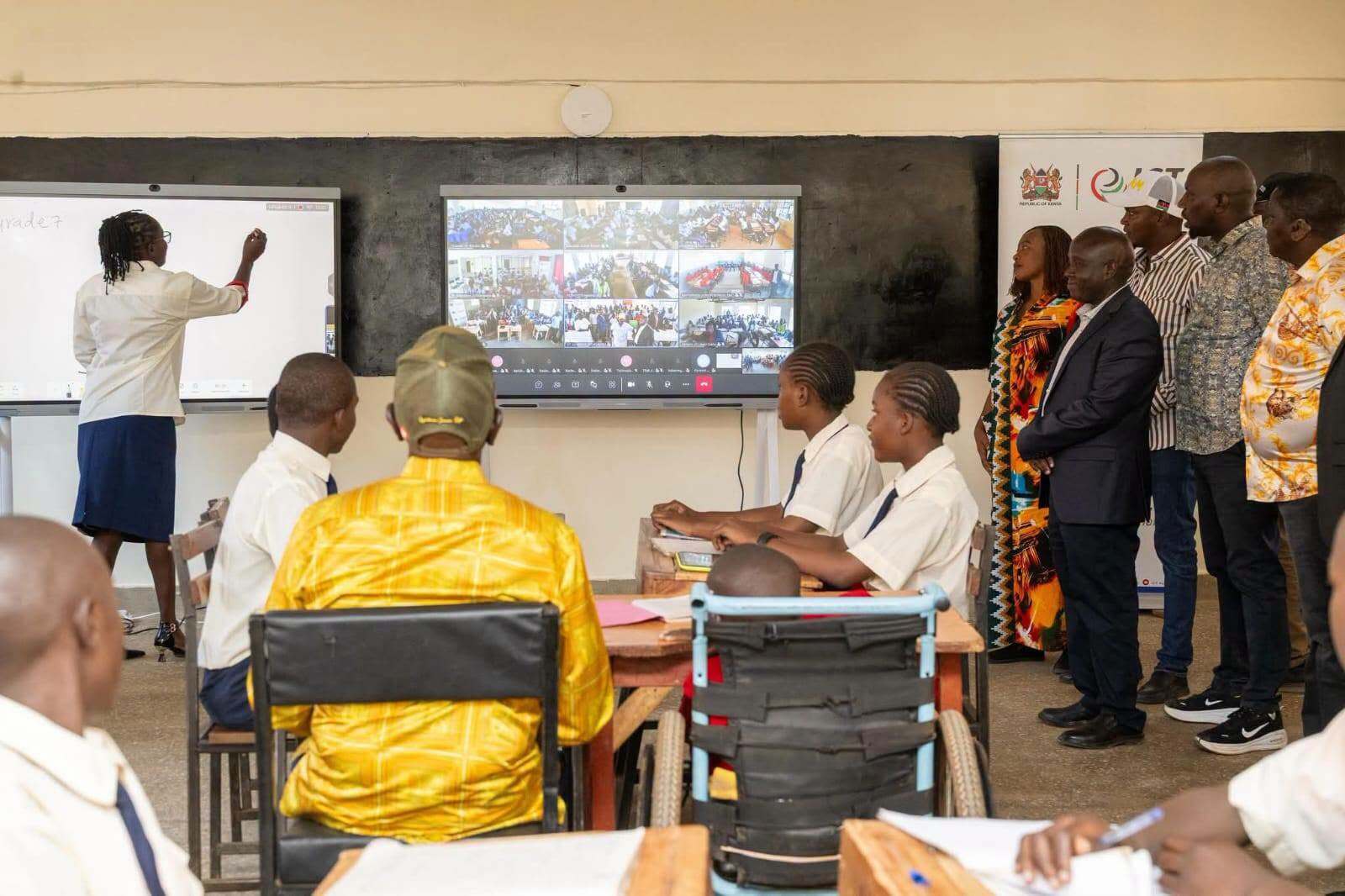
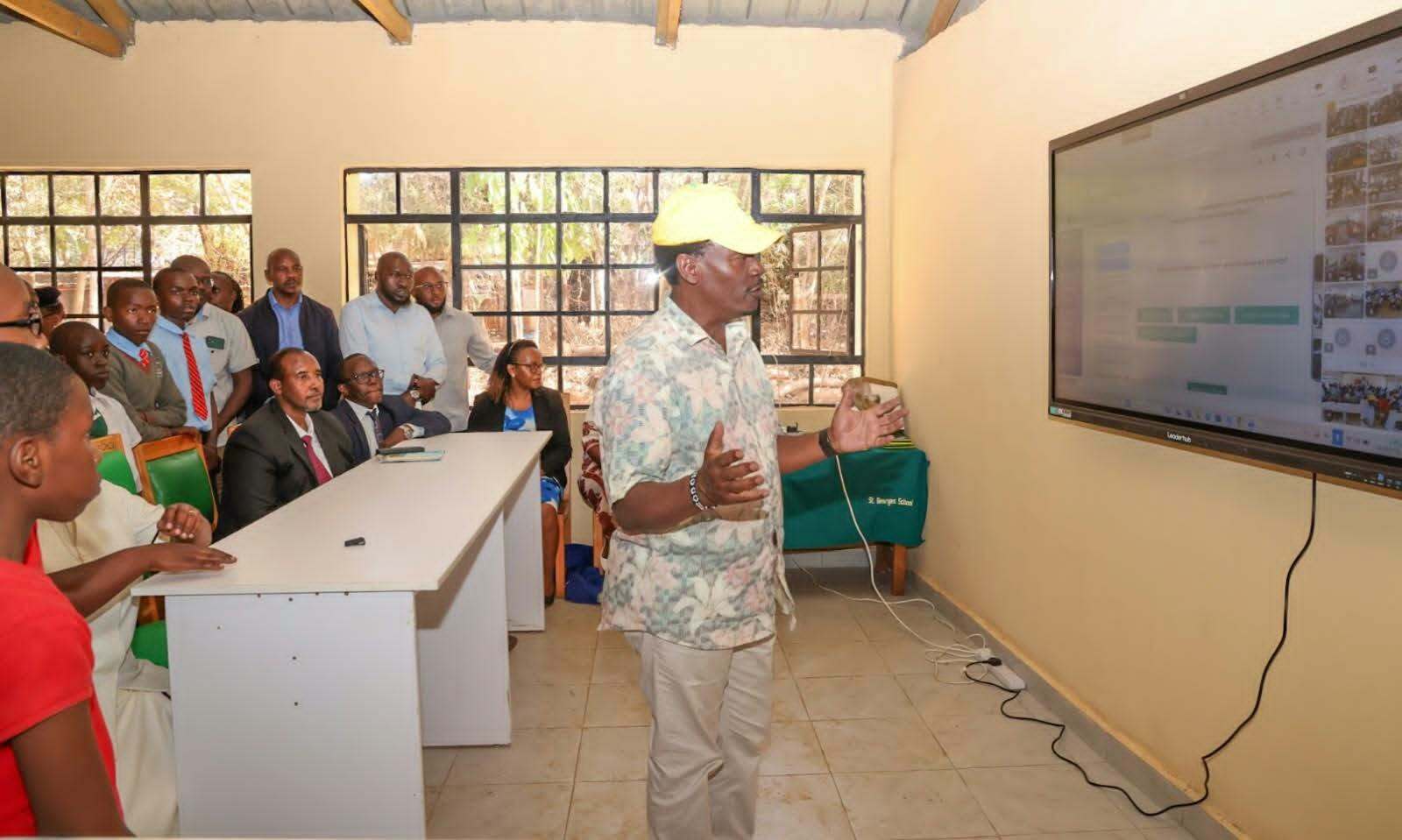
In a landmark demonstration of this initiative, H.E President William Ruto today led a live National Digital Class Experience from Kiminini Junior Secondary School in Trans Nzoia County, linking learners from classrooms across the country and showcasing how technology can bridge learning gaps and create more engaging educational experiences.
The Cabinet Secretary for Information, Communication and the Digital Economy, Hon. William Kabogo, joined the session from St. George's Junior Secondary School in Ruiru, Kiambu County, while Cabinet Secretary for Gender, Hon. Hannah Cheptumo, and Hon. Musa Sirma took part from Kabimoi Junior Secondary School in Baringo County. The Chairperson of the ICT Authority Board, Hon. Lily Ngok, joined learners at Kericho Township Junior Secondary School.
The initiative enables real-time digital connectivity among schools across the country, enabling learners and teachers to interact, exchange knowledge, and share educational experiences regardless of their geographical locations.
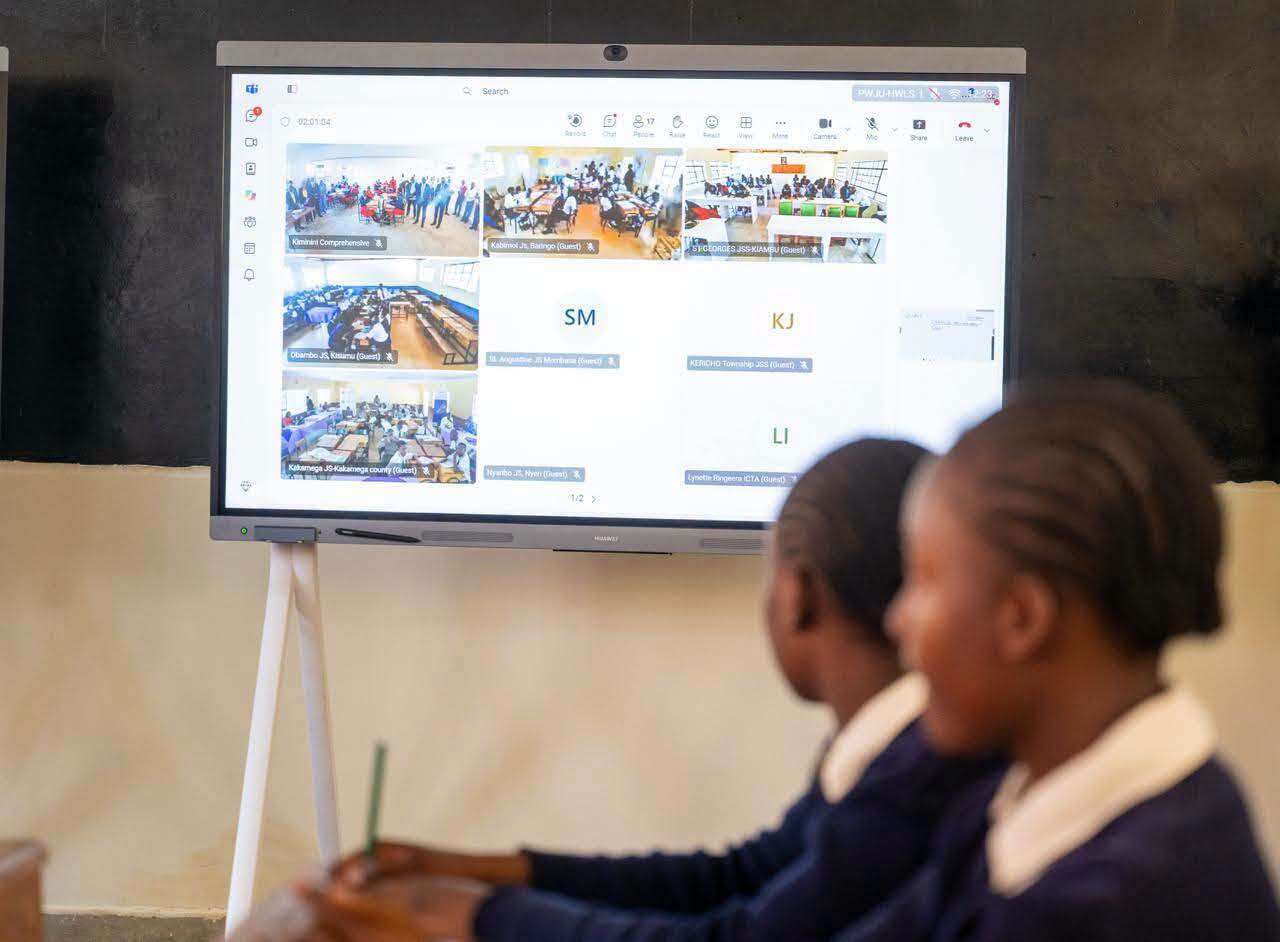
During the launch, the transformative potential of the technology was demonstrated through live connections linking several schools simultaneously, showcasing how digital innovation can bridge geographical barriers and promote collaborative learning.
In addition, H.E President William Ruto commissioned a new 27-classroom tuition block at Kiminini Comprehensive School, further demonstrating the Government's commitment to expanding access to quality education infrastructure alongside digital learning initiatives.
Learners connected in real time from Kiminini Comprehensive and Kiminini JSS in Trans Nzoia; Kabimoi JSS, Baringo; Kakamega JSS, Kakamega; Kaptarkok JSS, Elgeyo Marakwet; Kericho Township JSS, Kericho; Lemoru JSS, Uasin Gishu; Marsabit JSS, Marsabit; Nadwat JSS, Turkana; Nyaribo JSS, Nyeri; Obambo JSS, Kisumu; St. George's JSS, Kiambu; St. Augustine JSS, Mombasa; and Tilak JSS, West Pokot.
Present at Kiminini were the Principal Secretary for ICT and the Digital Economy, Eng. John Tanui; the Principal Secretary for Basic Education, Dr. Julius Ololtuaa; the Member of Parliament for Kiminini, Hon. Maurice Kakai Bisau; the Member of Parliament for Sirisia, Hon. John Waluke; the Acting Secretary/Chief Executive Officer of the Teachers Service Commission, Ms. Evaleen Mitei; and the Chief Executive Officer of the ICT Authority, Mr. Jessy Kiveu Maruti.
Principal Secretaries joined learners in their host counties: PS Dr. Caroline Karugu (State Department for EAC Affairs, and Acting PS for ASALs and Regional Development) at Nyaribo JSS, Nyeri; PS Carren Ageng'o Achieng (State Department for Children Welfare Services) at Obambo JSS, Kisumu; PS Kello Harsama (State Department for Petroleum) at Marsabit JSS; and PS Cyrell Odede Wagunda (State Department for Public Investments and Assets Management) and PS Joseph Motari (State Department for Social Protection and Senior Citizen Affairs) in Migori County.
Programme delivery
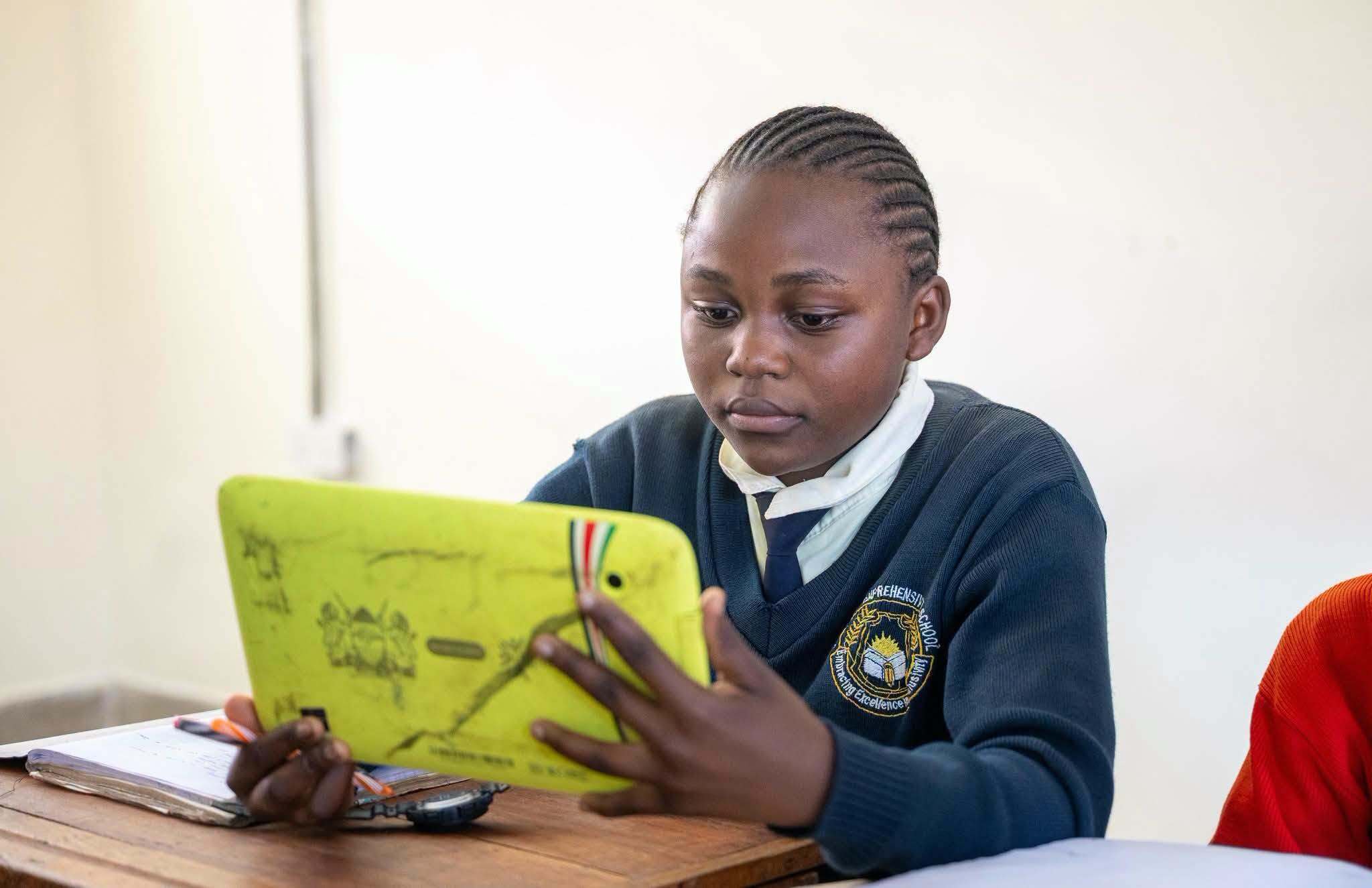
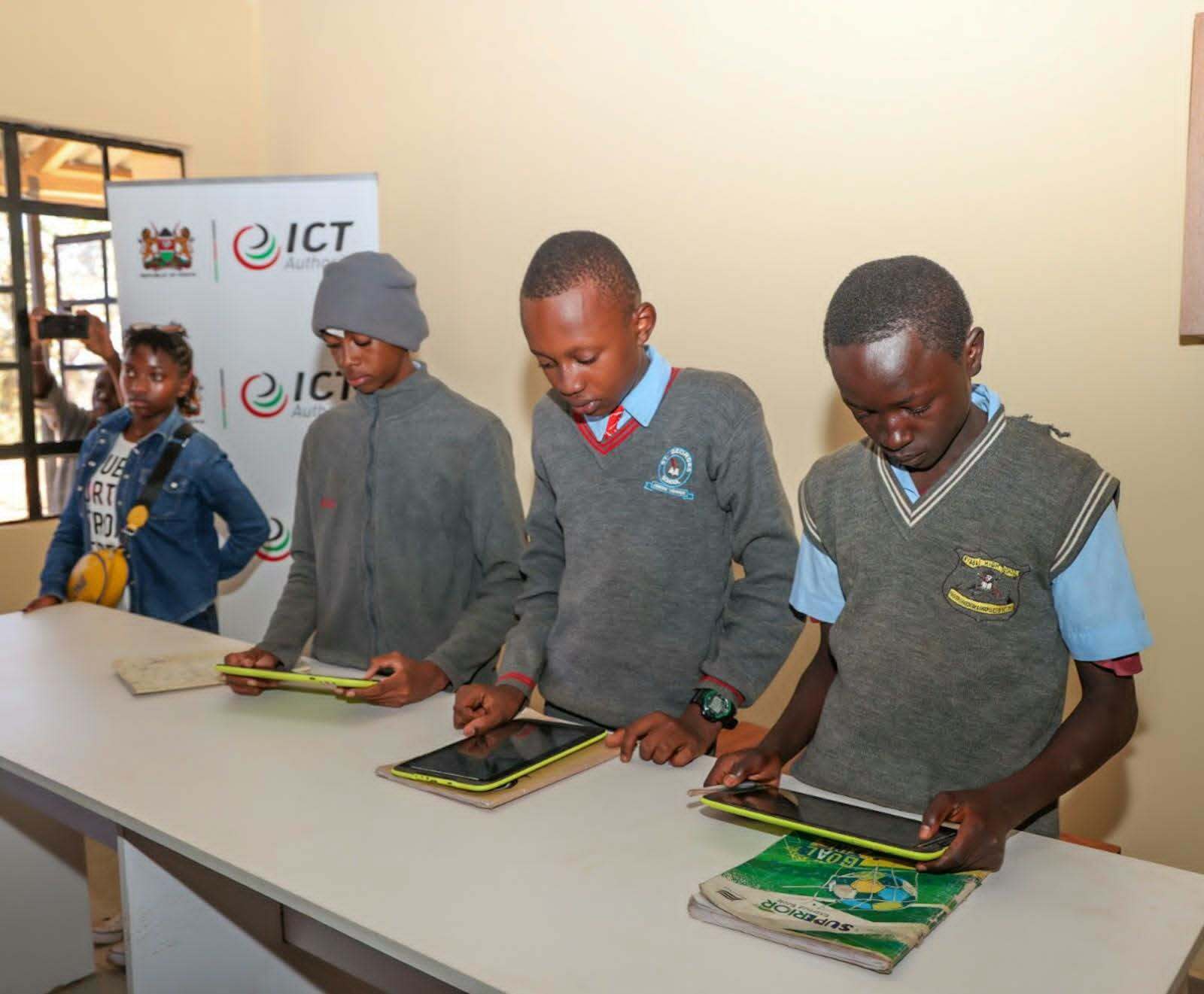
Under Phase One of The National Digital Class Experience, the Government has equipped 10,382 public junior schools — close to half of all registered public junior schools in the country — each receiving one Interactive Smart Board and one laptop. More than 64,000 teachers have been trained through a national cascade model that reached all 47 counties, covering the effective use of Interactive Smart Boards, laptops and digital learning resources in lessons aligned to Competency-Based Education.
Digital learning content for Grades 7 and 8 has been developed and is ready for use, with curation of Grade 9 content under way. The content is hosted on the education cloud, where learners, teachers and parents can access it freely — narrowing a long-standing gap in schools with few textbooks, particularly in remote areas. Grade 7 content has been fully adapted for learners with visual impairment and learners with hearing impairment, ensuring no learner is left behind.
Procurement for Phase Two has been initiated, targeting approximately 21,000 schools by April 2027.